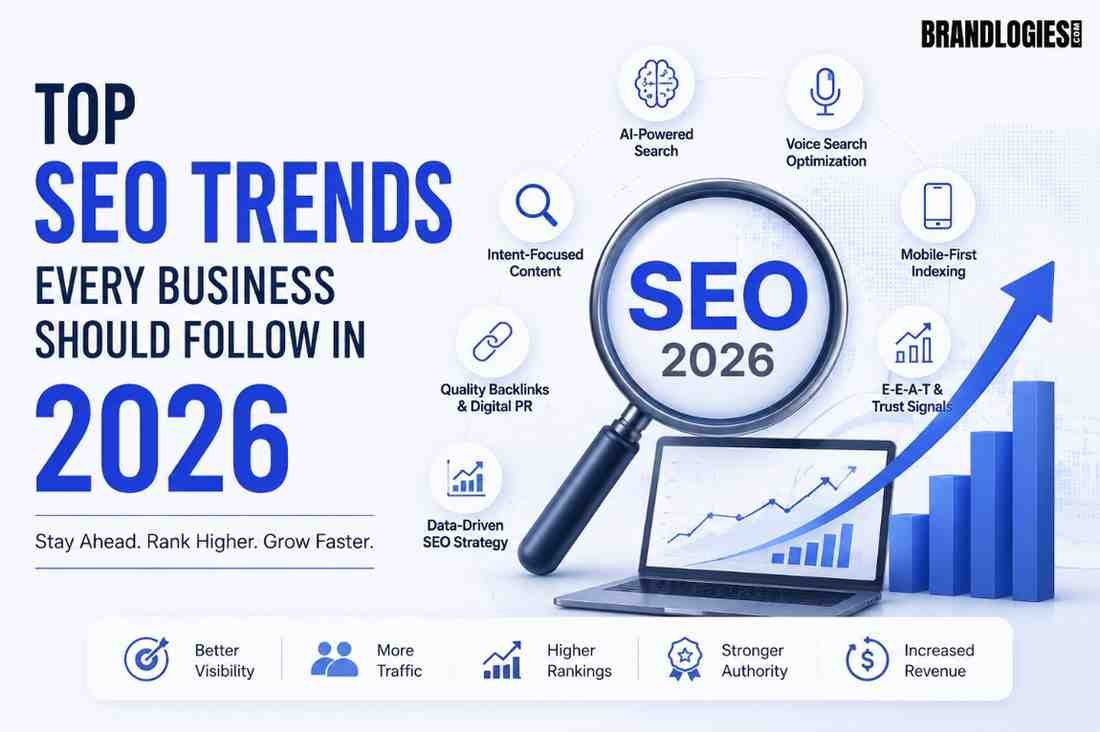
Search is no longer just about ranking on Google. In 2026, your customers are just as likely to find you through an AI Overview, a ChatGPT answer, or a voice assistant as they are through a traditional blue link. This shift means businesses need to optimize not only for search engines but also for answer engines — a practice now widely known as AEO (Answer Engine Optimization) or GEO (Generative Engine Optimization).
Below are the SEO and AEO trends that matter most this year, along with practical steps you can take to act on each one.
1. AI Overviews and Answer Engine Optimization (AEO)
The single biggest shift in 2026 is the rise of AI-driven search. Google’s AI Overviews, ChatGPT, Perplexity, and similar tools now answer many queries directly, without sending users to a website. Instead of competing only for the “ten blue links,” businesses need content structured so AI systems can easily read, summarize, and cite it.
What to do:
- Write in clear, direct language that answers a specific question in the first sentence or two.
- Break content into scannable sections with descriptive subheadings (like this one).
- Use bullet points, numbered lists, and short paragraphs that are easy for AI models to extract.
- Add FAQ sections that mirror the exact phrasing people use when asking AI assistants questions.
2. E-E-A-T Becomes a Core Ranking Factor, Not a Guideline
Experience, Expertise, Authoritativeness, and Trustworthiness (E-E-A-T) has moved from a best practice to a functional requirement, especially for topics that affect health, finance, or safety (YMYL content). Search engines and AI models increasingly favor content backed by real, verifiable, first-hand experience.
What to do:
- Add detailed author bios with real credentials and links to professional profiles.
- Include original research, case studies, screenshots, or data your business collected.
- Get your experts featured in interviews, podcasts, and third-party publications to build external validation.
3. Topical Authority Beats Isolated Keywords
Ranking for a single keyword is no longer enough. Search engines and AI models reward websites that demonstrate deep, comprehensive coverage of a subject through interlinked clusters of content.
What to do:
- Group content into topic clusters built around a central “pillar” page.
- Internally link related articles so both users and crawlers can see the full picture.
- Regularly update older content to keep your topical coverage current and complete.
4. Search Everywhere Optimization (SEO Beyond Google)
Search behavior is fragmenting across platforms. People now discover businesses through YouTube, TikTok, Reddit, LinkedIn, and voice assistants, not just Google. This broader approach is often called Search Everywhere Optimization.
What to do:
- Optimize video titles, descriptions, and transcripts for search.
- Maintain an active, keyword-aware presence on relevant social and community platforms.
- Ensure your business information is consistent across every channel where you appear.
5. Brand Entity and Reputation Signals
AI systems cross-reference multiple sources to determine what a brand is known for and whether it can be trusted. A strong, consistent brand presence across the web now directly influences visibility in both search and AI-generated answers.
What to do:
- Publish consistent messaging and expertise across your website, social channels, and guest content.
- Actively build reviews and mentions on reputable third-party sites.
- Claim and optimize your Knowledge Panel and business listings (Google Business Profile, industry directories, etc.).
6. Structured Data and Technical SEO Foundations
As AI systems parse the web for answers, clean technical SEO and structured data (schema markup) make it far easier for both search engines and AI models to understand and surface your content.
What to do:
- Implement FAQ, Article, Product, and Organization schema markup where relevant.
- Keep site speed, mobile usability, and Core Web Vitals in strong shape.
- Fix crawl errors, broken links, and duplicate content that dilute topical authority.
7. Designing for Zero-Click and Snippet Visibility
With AI Overviews, featured snippets, and People Also Ask boxes answering questions directly in the SERP, more searches end without a click. Businesses need to optimize for visibility and citation within these zero-click features, not just for traffic.
What to do:
- Structure content to directly answer likely follow-up questions, not just the primary query.
- Target featured snippet formats: concise definitions, numbered steps, and comparison tables.
- Track brand mentions and citations in AI answers, not only click-through traffic.
8. Privacy-First, First-Party Data Strategy
As third-party cookies phase out and privacy regulations tighten, businesses are relying more on first-party data — information collected directly from their own audience — to guide SEO and content decisions.
What to do:
- Use on-site search data, email engagement, and CRM insights to inform content topics.
- Build owned channels (email lists, communities) that reduce dependence on any single search platform.
- Be transparent about data collection to build the trust signals search engines now reward.
Quick-Reference: SEO vs. AEO in 2026
| Focus Area | Traditional SEO | AEO / GEO in 2026 |
| Goal | Rank in the top 10 links | Get cited in AI-generated answers |
| Content style | Keyword-optimized pages | Direct, extractable answers |
| Authority signal | Backlinks | E-E-A-T, credentials, brand mentions |
| Success metric | Click-through rate | Answer citations + zero-click visibility |
| Platform scope | Primarily Google | Google, ChatGPT, Perplexity, voice, social |
Frequently Asked Questions
1. What is AEO (Answer Engine Optimization)?
AEO is the practice of structuring content so AI-driven answer engines — like AI Overviews, ChatGPT, and Perplexity — can easily read, summarize, and cite it in direct answers to user questions.
2. Is traditional SEO still relevant in 2026?
Yes. Keyword research, backlinks, technical SEO, and on-page optimization remain foundational. AEO builds on top of these fundamentals rather than replacing them.
3. How can a small business start optimizing for AI search today?
Start by adding clear FAQ sections, structured data markup, and author credentials to existing high-traffic pages. These changes require minimal investment but directly improve AI readability.
4. Do backlinks still matter for SEO in 2026?
Yes, backlinks remain a trust signal for search engines, but brand mentions, reviews, and citations across the web now carry added weight for AI-driven visibility.
Key Takeaway
SEO in 2026 has not been replaced — it has expanded. Businesses that combine strong technical foundations with genuine expertise, structured content, and a presence across AI-driven answer engines will be the ones that stay visible as search continues to evolve.
Read Also – AI SEO vs Traditional SEO: What’s Changed in 2026?