Introduction
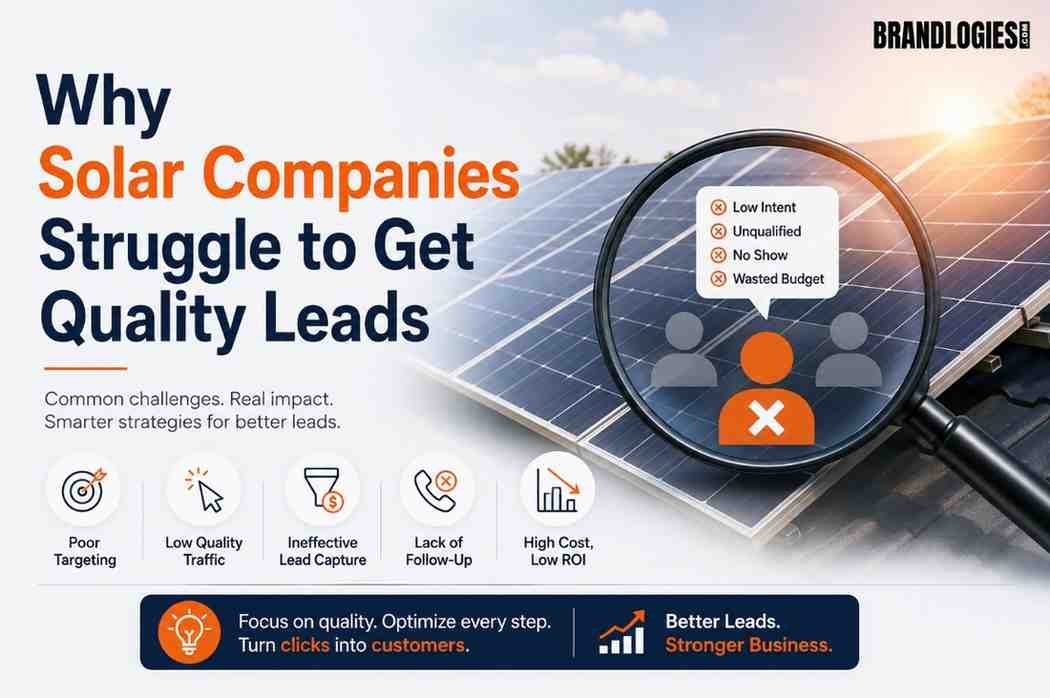
If your solar company is generating leads but struggling to close them, the problem almost never comes down to a lack of interest in solar — demand keeps climbing every year. The real issue is usually lead quality, not lead quantity, and that distinction changes everything about where to look for the cause. Solar leads are expensive across every channel, and a steady stream of unqualified inquiries doesn’t just waste marketing budget — it burns sales team hours, drags out an already long sales cycle, and quietly erodes morale when reps spend weeks chasing people who were never going to buy. If your team keeps saying “these leads are bad,” the honest next question isn’t how to generate more leads — it’s understanding exactly where quality is breaking down across your funnel in the first place.
Why “More Leads” Isn’t the Same as “More Sales”
Solar sales cycles are long and consultative, often stretching months from first inquiry to signed contract, and homeowners frequently shop multiple quotes before committing. That means a lead’s quality is shaped by intent, timing, and fit — not just whether someone filled out a form. A cheap lead that never closes is, in practical terms, more expensive than a costlier lead that converts, but most solar companies still measure marketing success by raw lead volume rather than by how many leads actually turn into paying customers. That single measurement gap is often the first place lead quality problems start hiding in plain sight.
What’s Likely Happening Behind the Scenes
A few recurring patterns show up consistently across solar companies struggling with lead quality:
- A mismatch between who you’re reaching and who’s actually ready to buy — casual browsers, researchers years away from a decision, and genuinely qualified prospects often get treated identically across marketing efforts, with no real filtering happening before a lead reaches your sales team
- No shared definition of a “qualified lead” between marketing and sales — marketing often optimizes toward inquiry volume while sales is left judging quality after the fact, with no agreed standard connecting the two
- Weak follow-up timing and response capacity — inquiries that come in faster than your team can respond quickly tend to go cold, regardless of how good the original interest was
- Thin or generic content that doesn’t build trust over a long sales cycle — solar is a high-consideration purchase, and prospects who don’t find substantive, credible information early tend to disengage before ever reaching a real conversation
- No feedback loop between what generates a lead and what actually closes — without connecting lead source data back to closed-deal outcomes, it’s easy to keep investing in whatever produces volume, even if it’s quietly producing poor quality
The Cost of Letting This Go Unaddressed
Every month spent chasing more leads instead of better ones isn’t a neutral trade-off — it’s marketing budget and sales hours quietly funneled toward inquiries that were never going to close, while the underlying gaps in targeting, follow-up, and tracking keep compounding. Because solar sales cycles are so long, this kind of quality problem often doesn’t show up clearly in the numbers for months, which makes it easy to underestimate until the pipeline itself starts looking thin.
Where the Real Gaps Usually Are
| Symptom You’re Seeing | What’s Likely Actually Going On |
| High lead volume, low close rate | Leads aren’t being filtered for real intent before reaching your sales team |
| Sales team frustrated with “bad leads” | No shared definition of a qualified lead between marketing and sales |
| Leads spike but conversions don’t | Response timing or follow-up capacity isn’t keeping pace with inquiry volume |
| Prospects go cold after initial interest | Content isn’t building enough trust to sustain a long, consultative sales cycle |
| Can’t tell which efforts actually drive sales | No feedback loop connecting lead source data to closed-deal outcomes |
Common Mistakes Solar Companies Make Trying to Fix This on Their Own
- Pushing for more leads to compensate for poor quality, rather than addressing why the leads are poor in the first place
- Judging marketing performance by volume alone, when close rate and cost per closed customer are what actually reflect profitability
- Treating marketing and sales as separate systems, with no shared data on which leads actually convert
- Assuming the sales team is the problem, when the issue frequently starts further upstream in who’s being reached and how
- Delaying follow-up on new inquiries, letting genuinely qualified prospects go cold before a conversation even happens
Where This Leaves Your Business
If your team is fielding plenty of leads but closing far fewer than the volume suggests you should, the underlying issue is rarely one single broken setting — it’s usually a combination of targeting, follow-up, and tracking gaps that have built up gradually and are now quietly capping your growth. Fixing that starts with knowing exactly where quality is breaking down, not just generating more volume and hoping the math works out better this time.
If you’re looking to grow qualified lead flow, Google Ads can be a genuinely effective channel for solar companies — but only when campaigns are built around real buying intent instead of raw click volume, with the targeting, tracking, and follow-up gaps above already addressed.
That’s exactly what our team at Brandlogies helps solar companies do. Reach out, and we’ll show you where your lead quality is breaking down and what it would take to fix it.

Frequently Asked Questions
1. Why do we get plenty of solar leads but struggle to close them?
It usually points to a mismatch between what your marketing is optimized to generate and what actually reflects real buying intent.
2. Is generating more leads the right fix for a lead quality problem?
Not usually — more volume tends to amplify the same underlying targeting and follow-up gaps rather than solving them.
3. What’s the difference between lead volume and lead quality?
Volume measures how many inquiries come in; quality measures how many of those inquiries genuinely have the intent and fit to become paying customers.
4. Why would a fast-growing lead count still result in flat sales?
It often means leads aren’t being filtered for real buying intent before reaching your sales team, or follow-up isn’t fast enough to capture interest while it’s still warm.
5. Does content play a role in solar lead quality?
Yes, thin or generic content often fails to build the trust needed to sustain a long, consultative solar sales cycle, causing prospects to disengage early.
6. How do we know if our lead quality problem is a marketing issue or a sales issue?
That typically requires looking at whether the two teams share a common definition of a qualified lead, which isn’t always clear without a proper audit.
7. Is it normal for solar leads to be expensive?
Solar leads are generally expensive across most channels, which is exactly why lead quality matters more than raw volume for protecting profitability.
8. How can we tell which of our marketing efforts actually drive closed sales?
That requires connecting lead source data back to your CRM’s closed-deal records, which most solar companies don’t have set up by default.
Read Also – Performance Max vs. Search Campaign: Which is Better for you?