Introduction
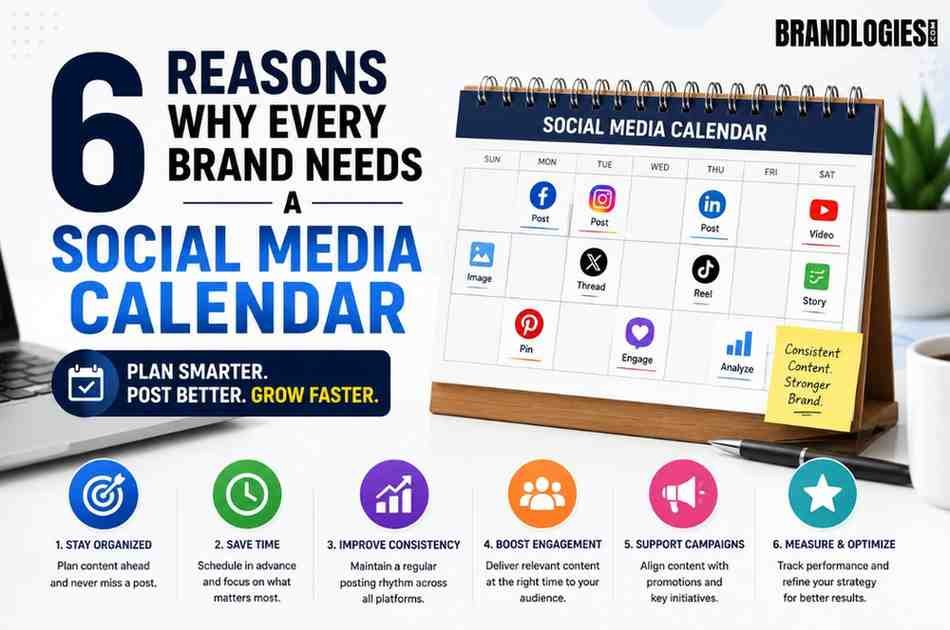
A social media calendar gives your brand a structured, shared view of every planned post — what’s going out, when, and on which platform — instead of scrambling to come up with content the same day it needs to publish. In 2026’s fast-moving mix of short-form video, hyper-personalization, and constantly shifting platform algorithms, posting without a plan tends to produce exactly what you’d expect: inconsistent output, missed opportunities, and a brand voice that drifts depending on who’s writing that week. The six reasons below cover why a calendar has moved from a nice-to-have to a genuine operating requirement for brands trying to grow on social media with any consistency.
1. It Saves Real Time
Planning and scheduling posts in batches cuts down on constant context-switching and eliminates the last-minute scramble for ideas. Instead of opening your platform each morning wondering what to post, a calendar lets you sit down once, plan a week or month of content in one focused session, and free up the rest of your time for actual engagement and strategy work.
2. It Keeps Your Brand Consistent
Consistent posting keeps your audience engaged and your brand top-of-mind, and a calendar is what makes that consistency achievable rather than aspirational. It gives you a structured way to plan regular content that supports awareness, engagement, and growth, rather than posting in unpredictable bursts followed by long gaps.
Expert Tip
Build your calendar around a repeatable content mix — a rotation of educational posts, behind-the-scenes content, and occasional promotion — rather than filling slots reactively. A structured rotation makes consistency far easier to sustain long-term than deciding content type post by post.
3. It Keeps Everything Organized
A calendar keeps all your social plans in one place, giving your team a bird’s-eye view of what’s scheduled across every platform instead of jumping between spreadsheets, apps, and individual accounts. That visibility makes it much easier to spot missed opportunities, catch scheduling conflicts, and ensure every post actually serves a clear purpose within your broader strategy.
4. It Helps Maintain Post Quality
A calendar naturally invites a structured review process, since content gets planned and drafted ahead of time rather than rushed out the same day. That extra buffer reduces the risk of typos, off-brand messaging, or posts that don’t align with your visual identity — mistakes that are far more likely when content gets created and published under last-minute pressure.
5. It Supports Better Team Collaboration
A documented calendar gives every contributor a shared view of priorities, deadlines, and content status, making it easier to assign ownership and track what’s actually getting done. This matters even more as a brand scales — what starts as one person managing a single account can grow into multiple products, regions, or platforms, and a calendar is what keeps that growth from turning into confusion.
6. It Enables Data-Driven Decisions
A calendar makes it far easier to track content performance over time, since you can look back at what was posted, when, and how it performed, rather than trying to reconstruct your history after the fact. That structure turns social media from a stream of one-off posts into a system you can actually analyze and improve, using real performance data to shape what comes next.
Quick Reference: The 6 Reasons at a Glance
| Reason | What It Solves |
|---|---|
| Saves time | Eliminates last-minute content scrambling |
| Keeps you consistent | Prevents unpredictable posting gaps |
| Keeps you organized | Centralizes plans across platforms |
| Maintains post quality | Builds in review time before publishing |
| Supports collaboration | Gives teams shared visibility and ownership |
| Enables data-driven decisions | Makes performance tracking possible over time |
What a Good Social Media Calendar Actually Includes
A useful calendar goes beyond just dates and captions. Most effective setups track the platform each post is going to, relevant hashtags, campaign details like UTM parameters for tracking, and a status field showing whether a post is in progress, scheduled, or already published. Marking key dates — holidays, industry events, and campaign timelines — ahead of time also helps you plan around moments that matter to your audience, instead of reacting to them at the last minute.
Common Mistakes to Avoid
- Building a calendar and never updating it, which defeats the purpose of having a living, current view of your content
- Overloading the calendar with rigid, identical content types, instead of maintaining a balanced, varied mix
- Ignoring performance data when planning ahead, missing the chance to double down on what’s actually working
- Treating the calendar as a one-person tool, when shared visibility is exactly what makes it valuable for a growing team
- Skipping key dates and industry moments, losing easy opportunities for timely, relevant content
Many businesses work with experienced digital marketing agencies like Brandlogies to build and manage social media calendars that stay consistent across every platform and campaign.
Making a Calendar Part of How Your Brand Operates
A social media calendar isn’t just an organizational nicety — it’s what separates brands that grow steadily on social media from those posting reactively and hoping something lands. Start with clear objectives for each platform, build a balanced content mix around them, and mark the dates that matter to your audience well in advance. Review performance regularly and let that data shape what goes on the calendar next. In 2026, the brands winning on social media aren’t necessarily posting the most — they’re the ones planning with intention, and a calendar is what makes that possible.

Frequently Asked Questions
1. Why does every brand need a social media calendar?
It brings structure, consistency, and shared visibility to content planning, replacing last-minute, reactive posting.
2. Does a social media calendar actually save time?
Yes, batching content planning into focused sessions reduces the daily scramble for ideas and cuts down on context-switching.
3. What should a social media calendar include?
Post dates, platforms, captions, hashtags, campaign details, and a status field showing each post’s progress.
4. How does a calendar improve content quality?
Planning ahead builds in review time, reducing errors and off-brand messaging that come from rushed, last-minute posting.
5. Is a social media calendar only useful for large teams? No, even solo creators and small businesses benefit from the structure and consistency a calendar provides.
6. How far in advance should I plan my social media calendar?
A month is common for most brands, with key dates and campaigns often mapped even further ahead.
7. Can a social media calendar help with team collaboration?
Yes, it gives every contributor shared visibility into deadlines, priorities, and content status.
8. What tools can I use to build a social media calendar?
Options range from simple spreadsheets for beginners to dedicated scheduling platforms for larger teams managing multiple accounts.
Read Also – What Is the 70/20/10 Rule for Social Media?
Related Posts